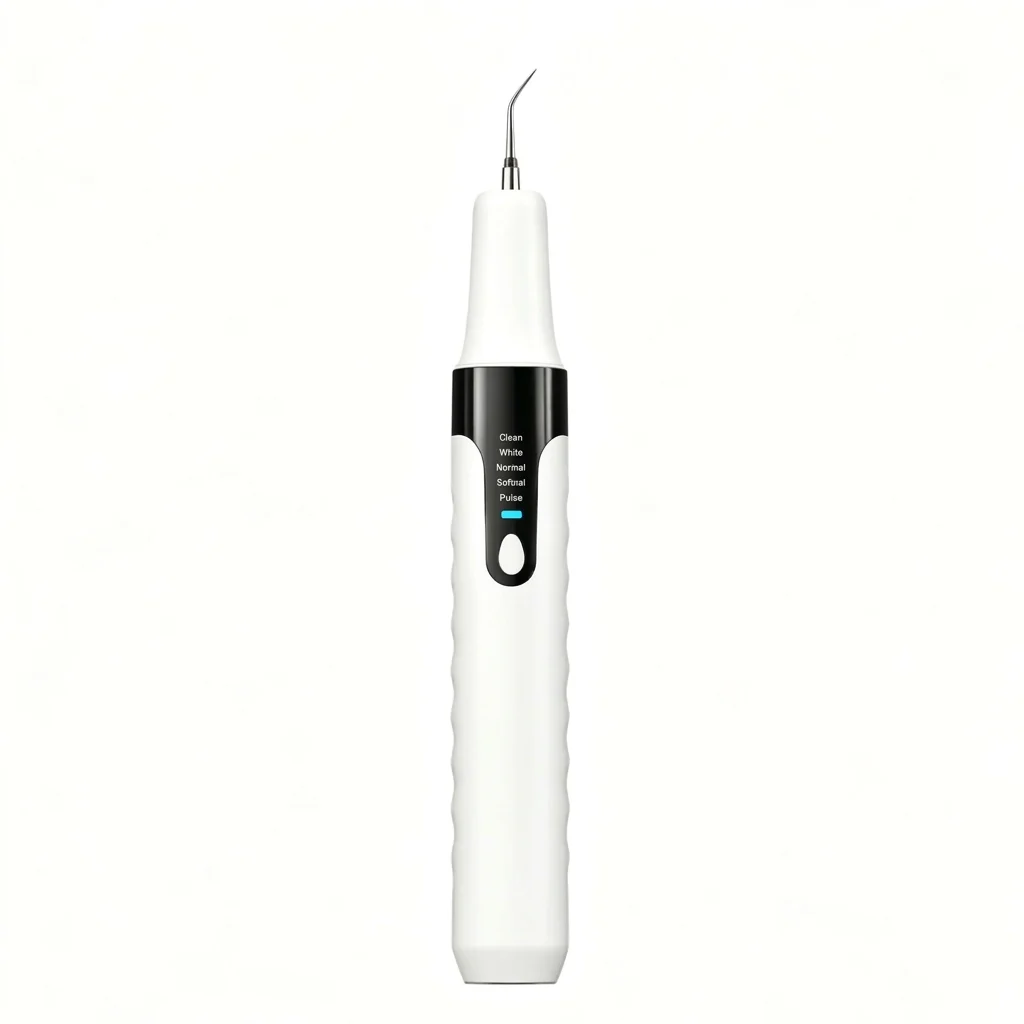
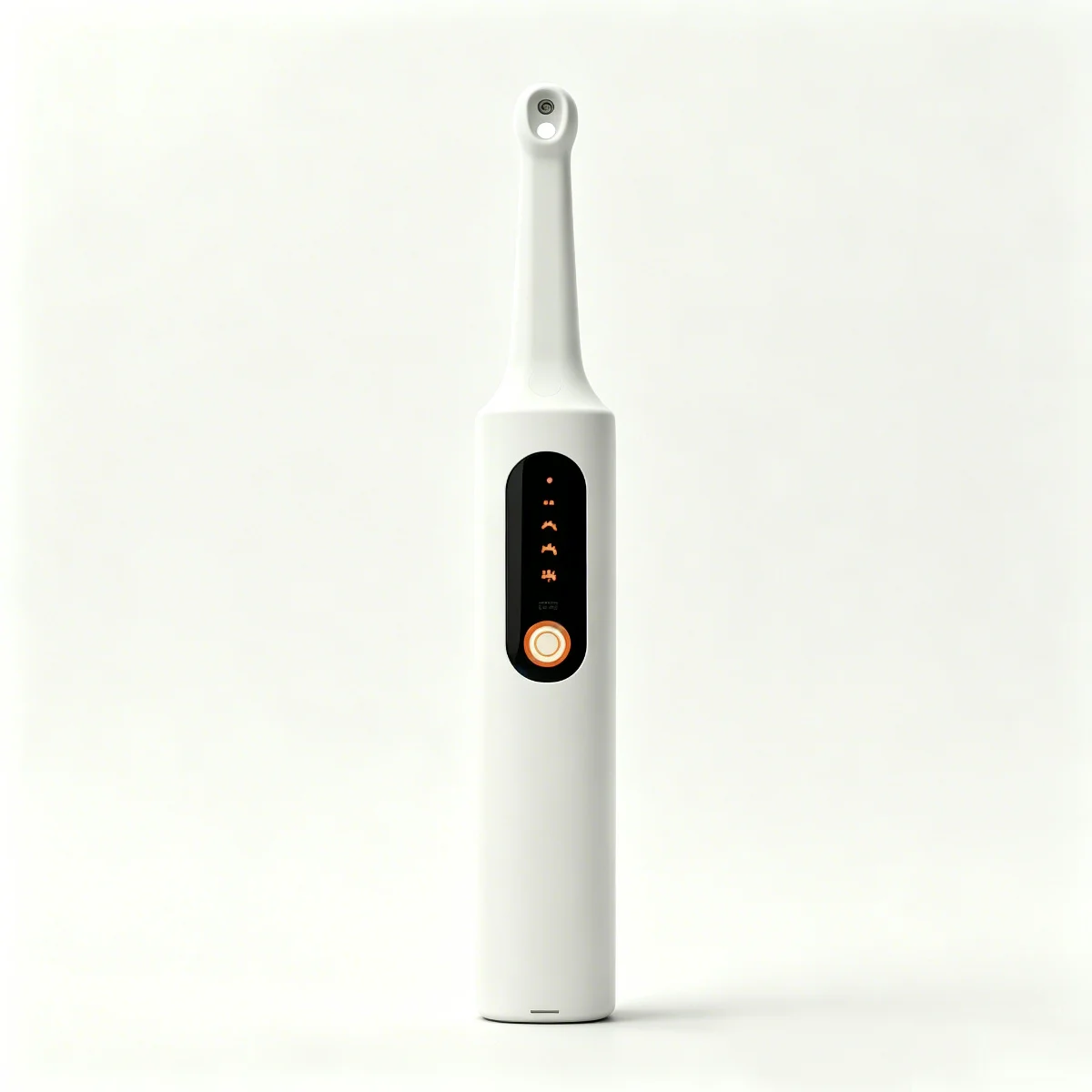
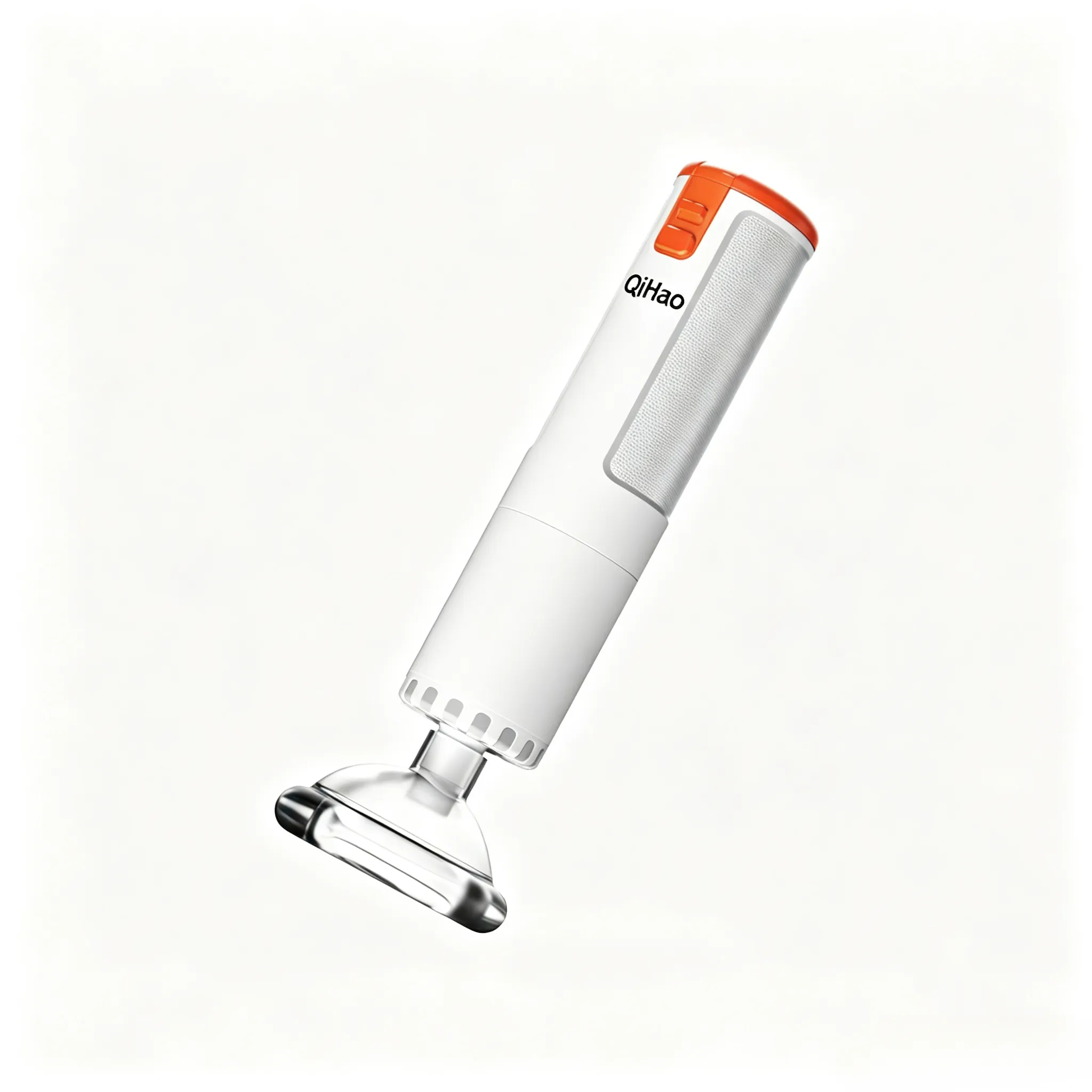
White label = an existing product any brand can buy and rebrand — fastest, cheapest, zero exclusivity. Private label = a customized version made for your brand specifically, with meaningful (but not full) control over design — the middle ground most growing brands use. Full OEM/ODM = new tooling built to your spec, potentially exclusive to you — slowest and most expensive, but genuinely yours.
If you’ve messaged more than one factory about manufacturing a plaque remover, tooth polisher, or safety device, you’ve probably heard “OEM,” “private label,” and “white label” used almost interchangeably — sometimes by the same sales rep in the same conversation. They are not the same commitment, and picking the wrong one for your stage either wastes money you didn’t need to spend, or locks you into a timeline and MOQ you’re not ready for.
White Label — Fastest Path to Market, Zero Exclusivity
White label means you’re selling an existing product, essentially unmodified except for your branding on the packaging or a printed logo on the unit itself. The factory already has the mold, the internals, and the certification work done — you’re skipping the entire development phase. The trade-off that matters most and gets glossed over the most: the same base product is typically available to any other brand that approaches the same factory. You’re not buying uniqueness, you’re buying speed.
What you get: the shortest possible timeline (often just packaging lead time once you’ve approved a sample), the lowest MOQ of the three options, and no tooling or R&D cost.
What you don’t get: any real differentiation from other brands selling the identical unit. If your model competes on marketing, price, and bundling rather than product uniqueness, this is a legitimate way to test a category with minimal capital at risk.
Private Label — The Middle Ground Most Brands Actually Use
Private label sits between white label and full OEM. You’re starting from an existing base product, but with a meaningful layer of customization made specifically for you — custom color, accessory bundle, packaging insert, or a functional tweak like intensity settings or battery capacity. The core engineering isn’t yours, but the finished SKU on the shelf is meaningfully different from what a competitor buying white label from the same factory would get.
What you get: real differentiation without the cost or risk of ground-up product development. MOQs step up from white label but stay well below what new-mold tooling requires.
What you don’t get: ownership of the underlying design. If a different brand approaches the same factory, they can typically still access the base product, even if your specific customization isn’t offered to them without your consent.
This is where most mid-stage Amazon sellers and regional distributors land, because it balances speed, cost, and enough differentiation to support a real brand story instead of just a logo swap.
Full OEM/ODM — When You Need Something Nobody Else Sells
Full OEM (or ODM, when the factory’s R&D team does the engineering to your spec) means new tooling, a new mold, and a product that doesn’t exist anywhere else until you commission it. This is the right call when your product needs a feature, form factor, or price point that no existing base product can deliver — or when owning the design outright matters to your business model long-term.
What you get: a product that’s genuinely yours, with the option to hold exclusivity on the tooling if that’s written into your agreement.
What you don’t get: speed or low commitment. New mold development typically adds weeks to months versus starting from an existing base, and MOQs run higher because the factory needs to amortize tooling cost across a larger production run.
Side-By-Side Comparison
| White Label | Private Label | Full OEM/ODM | |
|---|---|---|---|
| Typical MOQ | Lowest | Moderate | Highest |
| Timeline to first shipment | Fastest | Moderate | Longest |
| Upfront cost | Lowest | Moderate | Highest (tooling) |
| Available to other brands too? | Yes, usually | Partially restricted | No, if agreed in writing |
| Design ownership | No | Partial | Yes, if agreed |
| Best for | Testing a category fast | Most growing brands | Brands needing a unique SKU |
How To Decide Based On Your Stage
Testing whether a category sells in your market at all
Go white label. Don’t spend on tooling before you know there’s demand — the cost of being wrong on a white-label test is a small trial order, not a mold.
You have traction and want a distinct SKU without months of development
Go private label. Ask your factory what customization tiers they already support — packaging, color, accessory bundle — before assuming you need an entirely new mold. Most factories have more flexibility here than their default quote implies.
You’ve validated demand and need something competitors can’t easily copy
Go full OEM/ODM — ideally with a factory that has an in-house R&D team, so you’re not managing tooling development and manufacturing across two separate vendors with two separate timelines to coordinate.
Committing to full OEM tooling before running any white-label or private-label trial in the target market — paying for exclusivity before you know there’s demand to be exclusive about.
White label or private label to validate demand first, then move to full OEM once sales data justifies the tooling investment.
How QIHAO structures this: we offer all three tiers on the same product lines — starting from a low-MOQ entry tier for logo/color customization, up to full mold development for brands that need a distinct product. You don’t have to commit to full OEM on a first order to work with us, and we’ll tell you directly if your order size doesn’t yet justify the tooling cost of full OEM.
Common Questions
What’s a typical MOQ for private label vs full OEM?
Private label MOQs sit well below full OEM tooling runs since there’s no mold cost to amortize — white label is lowest, private label moderate, and full OEM/ODM highest.
Can I start with white label and move to full OEM later?
Yes — a common sequence is validating demand on white label or private label first, then committing to full OEM tooling once sales data justifies the investment.
Does private label give me exclusivity over the product?
Only partially. The core base product may still be accessible to other brands through the same factory, though your specific customization typically isn’t offered to them without your consent.
Sourcing this category and want a straight answer on timeline and MOQ?
Tell us your target volume and market — we'll tell you which tier your project actually needs before you quote it to your own customer.
Get a Quote & Sample →