Before wiring a deposit, verify three things in this order: (1) the supplier’s business license lists manufacturing, not just trading/import-export, in its registered scope; (2) they can show a live video of your product mid-production, not just finished-goods photography; (3) sample lead time and after-sales terms are confirmed in writing, not just spoken on a call. Everything below expands on why each of these matters and how to check it yourself.
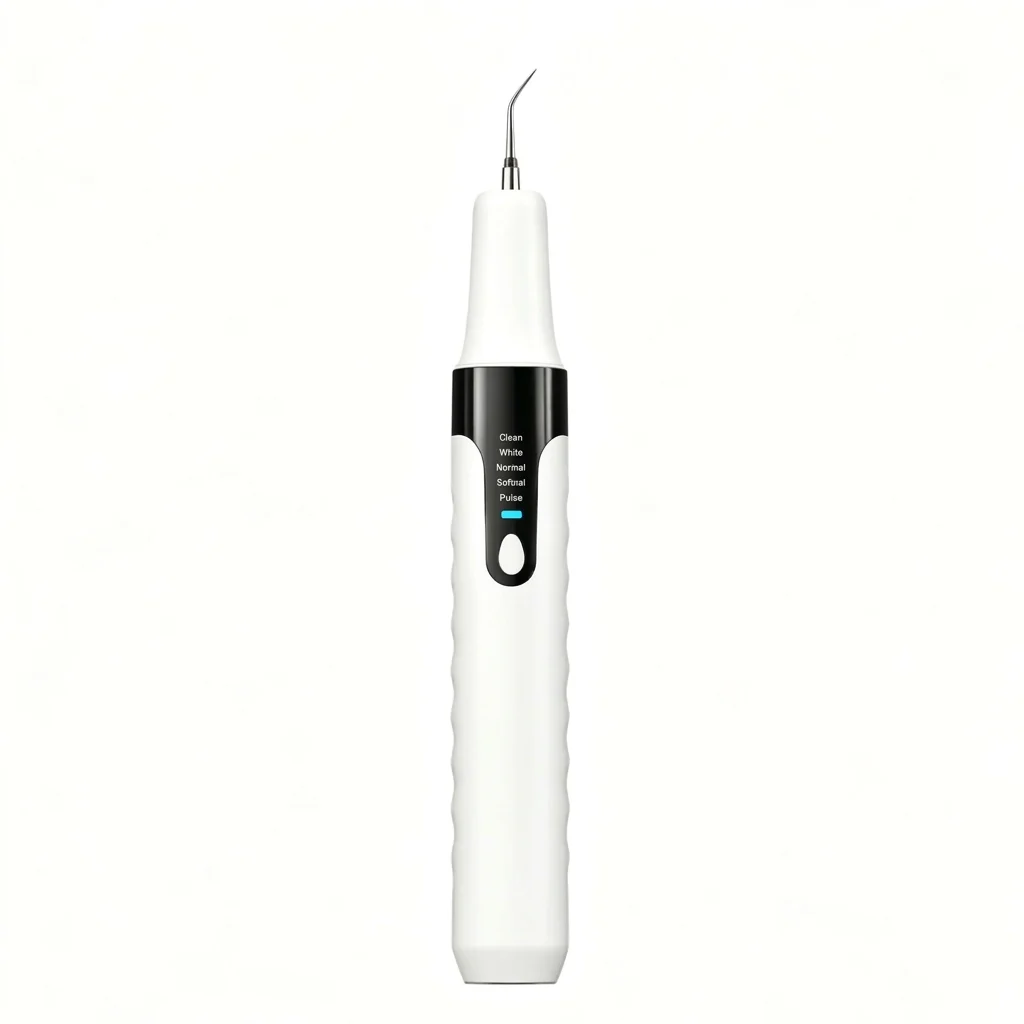
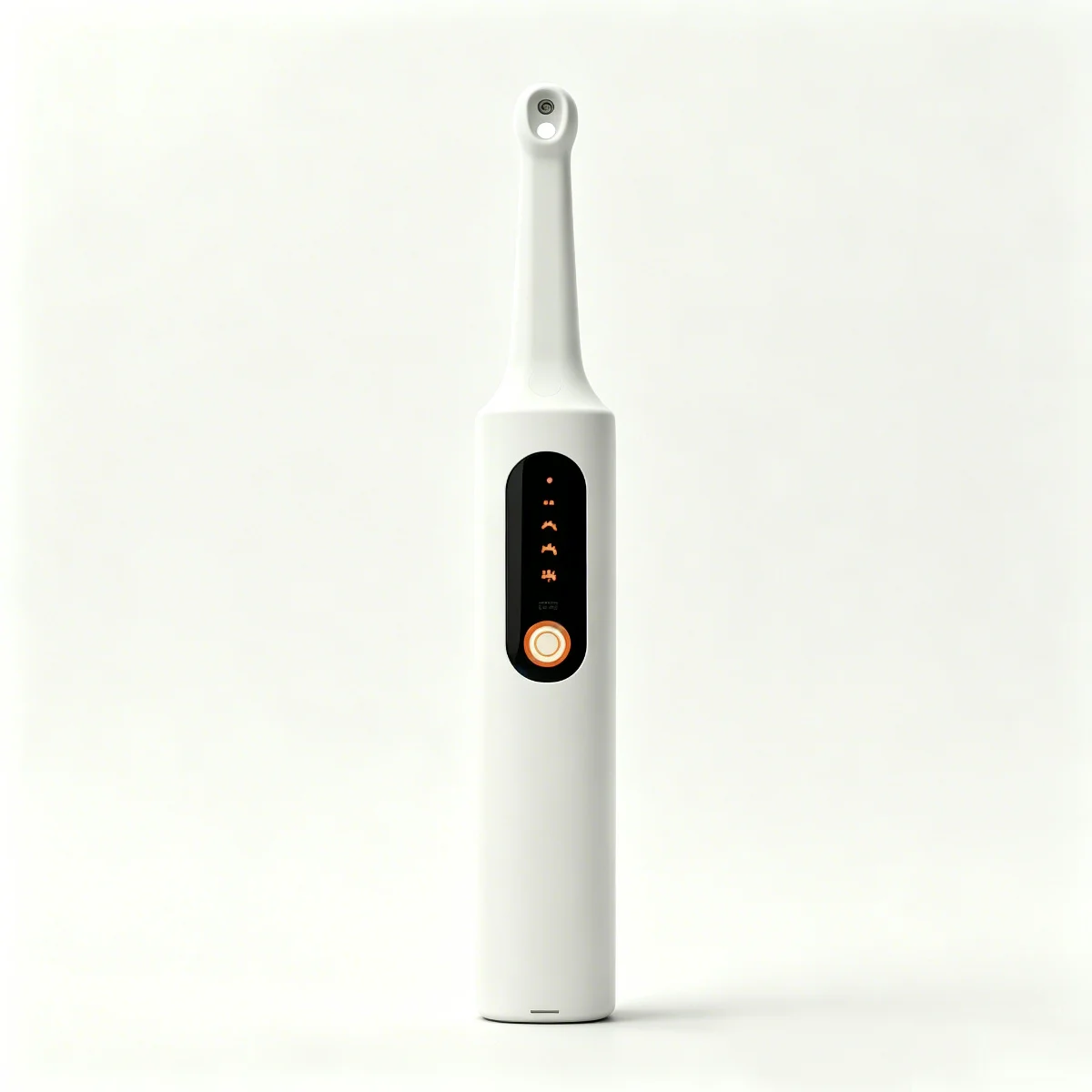
Home-use ultrasonic plaque removers sit in an awkward category for sourcing. Search results and trade platforms are dominated by two very different worlds: clinical dental equipment manufacturers building capital equipment for dental offices, and general consumer-electronics assemblers who treat oral care devices the same way they’d treat a phone case — high willingness to put any logo on anything, low attention to the specifics that make this category different. Neither is automatically who you want for a home-use product that needs to be gentle, reliable, and priced for a consumer shelf.
That mismatch is a big part of why first-time buyers in this category end up in one of two bad places: overpaying for clinical-grade tooling tuned for a trained user, or underpaying for a batch that matched the sample perfectly and then drifted by unit #2,000. This guide is the verification process we’d want ourselves, built around the actual failure points — not the generic “look for ISO certification” advice you’ll find on a hundred other sourcing blogs.
Start With The Product Category, Not The Factory
Before you evaluate any supplier, get clear on what you’re actually buying, and say it precisely in your first message. “Ultrasonic dental scaler” and “plaque remover for teeth” describe the same underlying technology, but they signal two different product tiers to a factory’s sales team. Say “dental scaler” and some factories will default to quoting their clinical-grade line — overpowered, priced for a professional buyer, and not tuned for someone using it on themselves without training. Be specific from the first message: home-use, self-operated, consumer price point. It changes which product line actually gets shown to you, and it filters out suppliers whose entire catalog is clinical equipment wearing a consumer label.
The Verification Sequence, Step By Step
Confirm it’s a factory, not a trading company reselling someone else’s tooling
Ask directly for the business license and check the registered scope of business — in China’s company registry, this will explicitly state whether the entity is licensed for manufacturing or for trading/import-export. A trading company can be a perfectly legitimate business, but it means your pricing, quality control, and timeline all run through a layer you don’t have direct visibility into. If a supplier is vague about which one they are, that vagueness is itself the answer.
Ask for a live video call showing today’s date, not pre-recorded factory footage
Professionally staged photos are easy to produce and easy to reuse across multiple “different” suppliers. A live video call where you can ask the person to show you a specific production line, hold up today’s newspaper or a handwritten date, or walk to a different part of the floor is far harder to fake — and a legitimate factory will not hesitate to do this.
Confirm they own the tooling for this specific product, not a similar one
“We make this kind of product” is not the same as “we own the mold for this exact model.” If they’re proposing to modify an existing mold for your branding, ask what tier of customization that actually requires — logo and color changes on an existing shell is a different job, timeline, and cost than a new structural mold. Confusing these two mid-production is one of the most common causes of blown timelines in this category.
Get sample lead time as a specific number, in writing
“Fast sampling” means nothing without a day count. Ask for a specific number from deposit confirmation to sample shipment, and get it written into your PI (proforma invoice) or the email thread — not just said out loud on a call. If a supplier can’t commit to a number, their sample process probably isn’t standardized, which tells you something about how the rest of production will go too.
Ask which certificates apply to this specific SKU, and request the certificate number
A factory’s homepage might show a wall of certification logos, but not every certificate applies to every product line they make. Ask specifically: “Is this certificate valid for this SKU, and can I look up the certificate number?” A supplier confident in their compliance status sends this without pushback; one who stalls or redirects usually doesn’t have it for the product you’re actually ordering.
Agree on what happens if a batch fails inspection — before, not after, it happens
This is the question most buyers forget to ask while things are going well, and the one that matters most once there’s an actual problem. Get it in writing before production starts: who pays for rework, who pays for replacement units, who pays freight if the fault traces back to the factory. A supplier vague on this now will be much harder to pin down mid-dispute.
What “Good” and “Concerning” Actually Look Like
Sends you the business license and points out the manufacturing scope line themselves, without being asked twice.
Sends a generic company brochure PDF when you ask for the business license, and doesn’t follow up when you ask again.
Quotes a specific sample lead time (e.g. “5 business days”) and puts it in the PI without you having to ask.
Says “very fast, don’t worry” every time you ask for a number, across multiple messages.
A Simple Trial-Order Framework To Reduce Risk
You don’t need a lawyer or a sourcing agent to protect yourself on a first order. A staged approach does most of the work on its own:
| Stage | What to ask for | What it protects you from |
|---|---|---|
| Before deposit | Business license (manufacturing scope), certificate numbers, live video call | Trading companies posing as factories |
| Sample stage | Photos and short video of the sample before it ships | Samples that don’t match what actually gets mass produced |
| Mid-production | Photo/video update at the halfway point of your production run | Silent delays that only surface near the ship date |
| Pre-shipment | Inspection report before loading, from the factory or a third party you choose | Discovering defects after your customer opens the box |
On a genuinely first-time order with a new supplier, size the trial run small enough that a total loss wouldn’t be catastrophic — the goal of the first order isn’t margin, it’s evidence. A supplier who performs well on a small trial order and hits every date they committed to is a much safer bet for a large reorder than one who only offered good terms on a big first commitment.
Red Flags That Should Make You Slow Down
- Pricing dramatically lower than every other quote for the same spec — usually signals a materials or QC shortcut you haven’t been told about.
- Reluctance to put lead times or after-sales terms in writing, even after you ask directly more than once.
- No willingness to start with a small trial order before a full-size run — a factory confident in its own consistency usually has no problem with this.
- Certification claims that can’t be tied to a specific, look-up-able certificate number.
- The contact person can’t answer basic technical questions about the production process or the machinery involved — a sign you may be talking to a sales layer with no real production knowledge behind it.
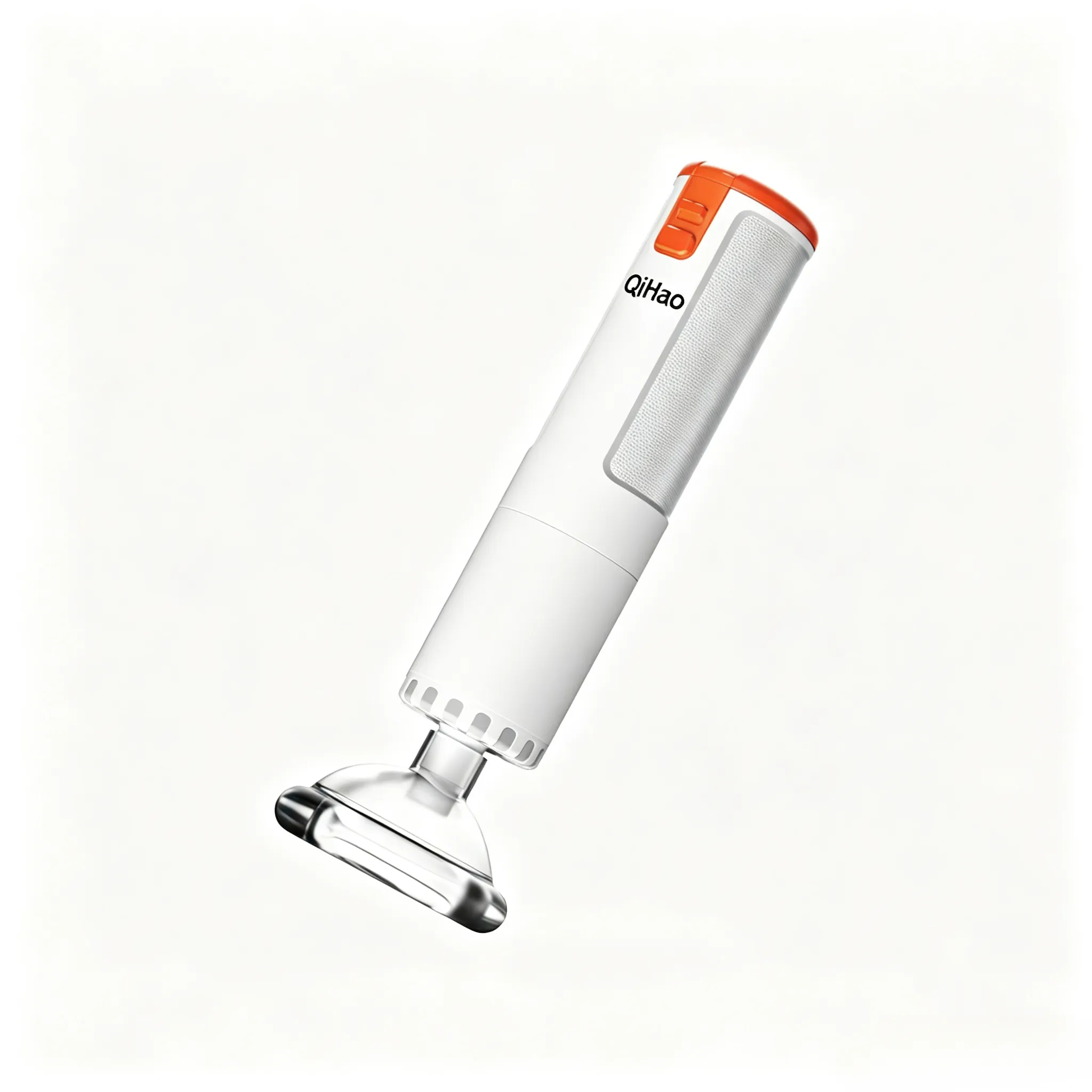
Where QIHAO stands on these points: we’re a direct factory (not a trading company) for ultrasonic plaque removers, electric tooth polishers, and choking safety aids, with sample lead times of 3–7 days confirmed in writing before production starts, mid-production photo/video updates on request, and after-sales terms — including who pays for rework or replacement — agreed in your PI before you commit to a full order.
Common Questions
What’s a realistic sample lead time for an OEM plaque remover order?
3–7 business days from deposit confirmation to sample shipment is realistic for this product category, and should be confirmed in writing rather than described only as “fast.”
What’s the difference between a manufacturer and a trading company in China?
A manufacturer’s business license lists manufacturing in its registered scope; a trading company’s license lists trading or import-export instead, meaning your order runs through a layer you don’t have direct visibility into.
How small should a first trial order be with a new supplier?
Small enough that a total loss wouldn’t be catastrophic. The goal of a first order isn’t margin — it’s evidence that the supplier hits the dates and quality they committed to.
Sourcing this category and want a straight answer on timeline and MOQ?
Tell us your target volume and market — we'll tell you which tier your project actually needs before you quote it to your own customer.
Get a Quote & Sample →