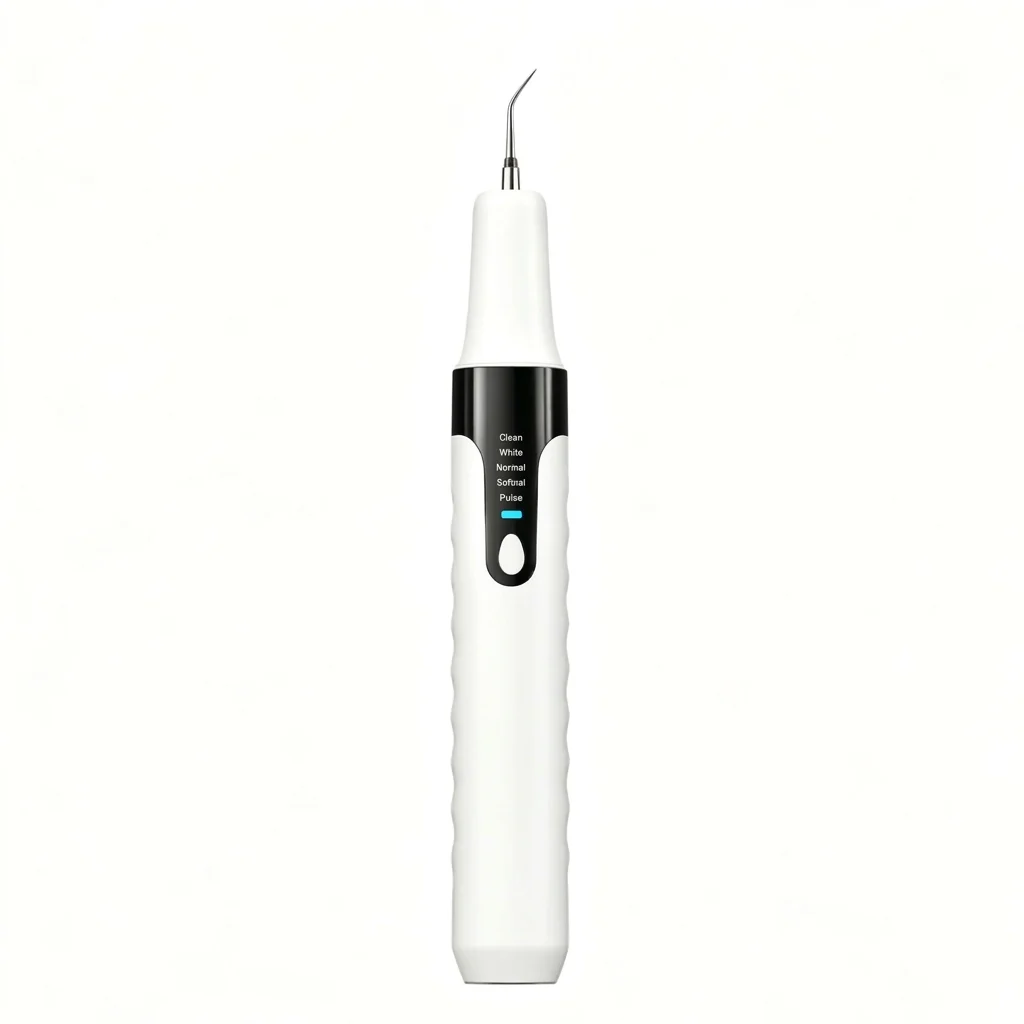
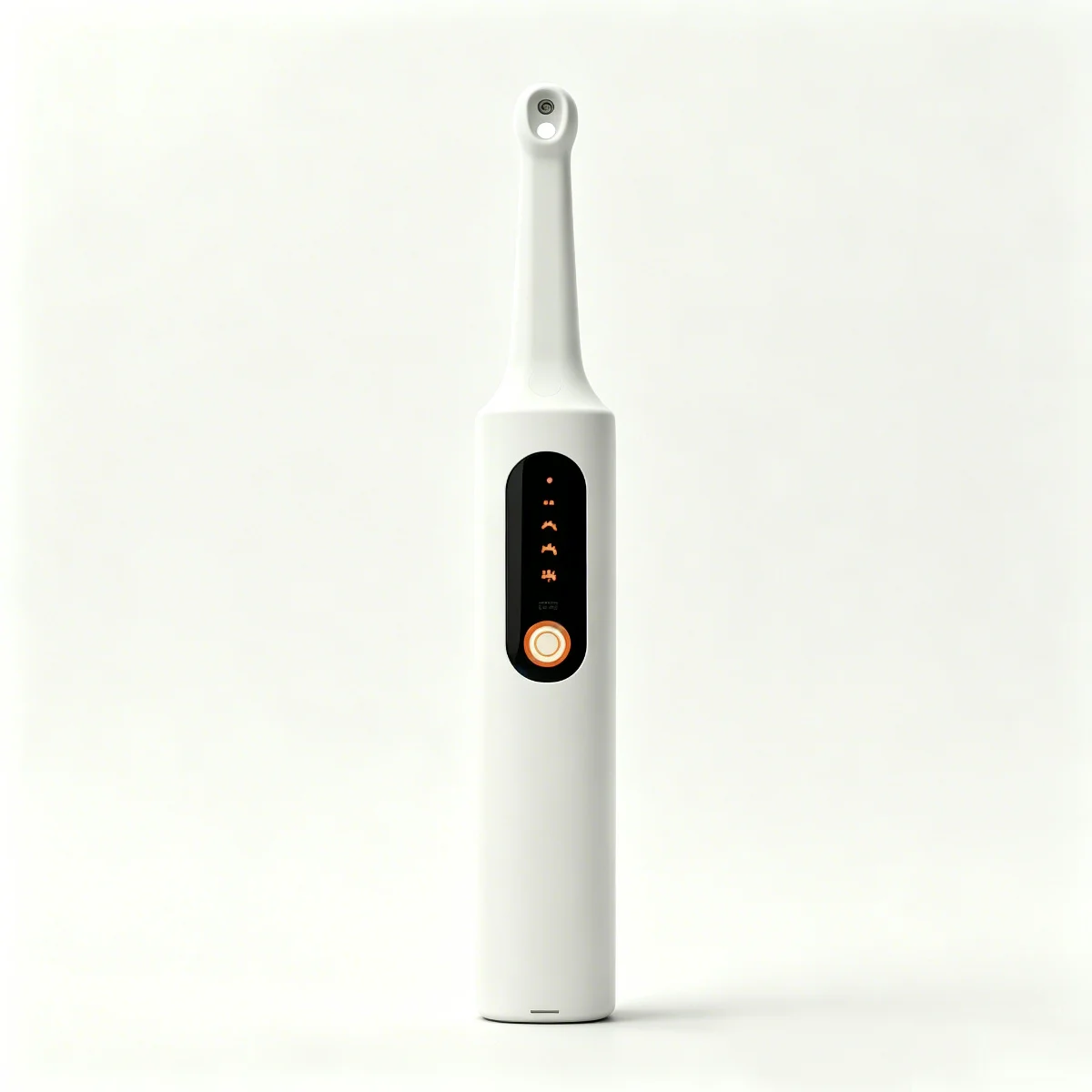
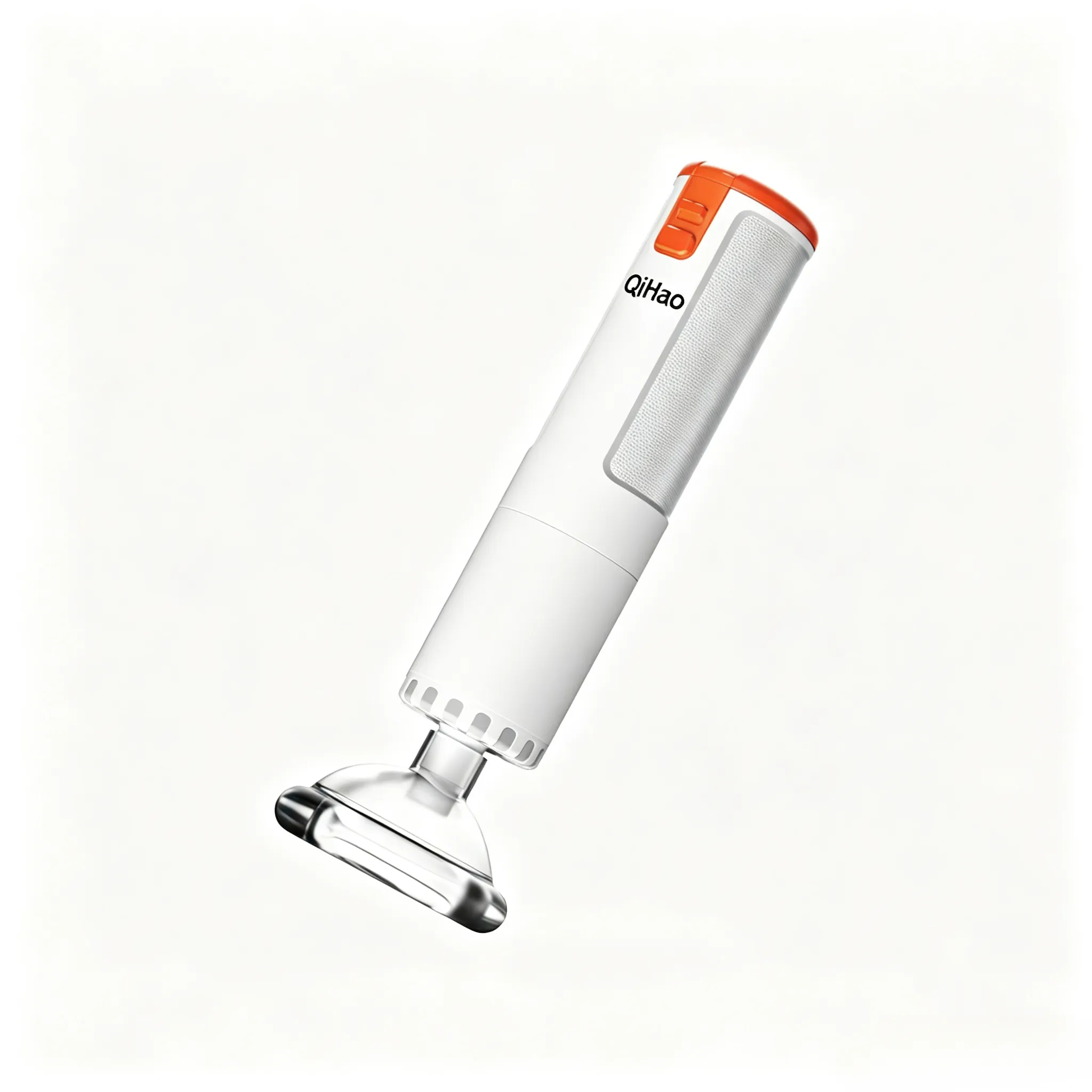
The five recurring causes of returns and low ratings in this category are: intensity tuned for clinical use instead of home use, seal failure at the head-body seam after repeated water exposure, inconsistent vibration between units in the same batch, battery performance drop-off after a few months, and instructions written for a trained user instead of a first-time buyer. Each one is preventable with a specific design or QC checkpoint — detailed below.
When a brand’s return rate on a plaque remover creeps above what the category should see, the reflexive response is usually to blame the customer — “they used it wrong,” “they didn’t read the instructions.” Sometimes that’s true. More often, the return is downstream of a design decision made back at the factory, long before the product reached a customer’s bathroom. These are the five patterns that show up most often, and the design choices that prevent each one before it becomes a review.
The 5 Recurring Failure Patterns
Intensity Tuned for Clinical Hands, Not Home Users
Plenty of factories building this product category also build (or started by building) clinical-grade scaling equipment for dental offices. That heritage shows up in the default intensity curve — calibrated for a trained hygienist who knows exactly how much pressure and vibration to apply, not for someone using the device on themselves for the first time. The result is a device that feels harsh, occasionally causes minor gum irritation, and gets returned with a review mentioning discomfort.
The fix: a genuinely separate intensity profile for home use, not a clinical unit with the power simply turned down. Multiple gentler intensity levels, with the lowest setting actually gentle enough for first-time users, catches this before it becomes a review.
Seal Failure After Repeated Water Exposure
This product category lives in the bathroom and gets rinsed under a tap regularly. A waterproof rating on the spec sheet doesn’t guarantee the seal holds up after months of that exact use pattern — a lot of failures show up specifically at the seam where the head connects to the body, which is also the seam most factories test least rigorously because it’s not the primary watertight boundary in a standard lab test.
The fix: aging tests that specifically simulate months of daily rinsing at the head-body seam, not just a single-immersion IPX rating check, before a design is approved for mass production.
Inconsistent Vibration Between Units in the Same Batch
A customer who buys after seeing a friend’s unit, or reorders a second unit for another bathroom, expects it to feel identical to the first. When batch-to-batch (or even unit-to-unit within a batch) motor calibration isn’t tightly controlled, some customers get a noticeably weaker or stronger unit than the one they tried — and review it as “not as good as I expected” without realizing the issue is manufacturing consistency, not product design.
The fix: motor output testing on a sample from every batch, not just the pre-production sample, so drift gets caught before a full batch ships rather than after a customer notices.
Battery Performance Drop-Off After a Few Months
Reviews in this category show a recurring pattern: strong ratings in week one, followed by a lower-star update a few months later when battery life has visibly degraded. This usually traces back to using a lower-grade cell to hit a cost target, or skipping a charge-cycle burn-in test that would have caught early degradation before the product shipped.
The fix: spec the battery cell for the device’s actual charge-cycle expectations over 12+ months of realistic use, and run a burn-in test on pre-production units rather than relying on the cell manufacturer’s datasheet alone.
Confusing or Missing Instructions for Home Use
A device engineered correctly can still generate a bad review if the customer doesn’t know how to use it — wrong angle, wrong duration, wrong setting for their sensitivity level. Clinical-heritage manufacturers sometimes ship instructions written for a trained user, or skip a proper home-use insert entirely because their default customer used to be a dental office.
The fix: a plain-language, illustrated insert specifically for first-time home users, reviewed against the same intensity-level language used in the product’s own settings so there’s no confusion between what the box says and what the device does.
Where This Actually Gets Caught — Design vs. QC
Found via customer reviews after a full production run has already shipped and sold through to end customers.
Found via pre-production burn-in testing, seam-specific water aging tests, and per-batch motor output sampling — before a batch ever leaves the factory.
| Failure pattern | Typical review language | Prevented by |
|---|---|---|
| Intensity too harsh | “Hurts my gums,” “too aggressive” | Home-use-specific intensity profile with a genuinely gentle low setting |
| Seal failure | “Stopped working after a few weeks,” “water got inside” | Seam-focused aging tests, not just a single-immersion rating |
| Inconsistent units | “Weaker than the one I tried before” | Per-batch motor output sampling, not just pre-production sample testing |
| Battery drop-off | “Great at first, dead in 3 months” | Charge-cycle burn-in testing before mass production approval |
| Confusing use | “Didn’t work as expected,” “instructions unclear” | Home-user-specific instruction insert, reviewed against on-device settings |
How this shapes QIHAO’s product line: our plaque remover and tooth polisher lines are designed and QC-tested for home use specifically — separate intensity profiles from any clinical-grade equipment, seam-focused water testing, per-batch motor output checks, and battery specs set for realistic long-term use, not just the datasheet minimum.
Common Questions
What’s a normal return rate for home-use dental devices?
It varies by channel, but a return rate that’s meaningfully higher than comparable listings in the category is usually a design or QC signal, not just customer preference — the five patterns above account for most of that gap.
How do I know if a low rating is a design flaw or a manufacturing-consistency issue?
If every unit gets the same complaint (e.g. all reviews mention intensity), it’s usually a design issue. If only some customers report a problem others don’t have, it usually points to unit-to-unit manufacturing consistency instead.
Can these issues be caught before mass production?
Yes. Pre-production burn-in testing, seam-specific water aging tests, and per-batch motor output sampling catch all five patterns before a batch ever ships.
Sourcing this category and want a straight answer on timeline and MOQ?
Tell us your target volume and market — we'll tell you which tier your project actually needs before you quote it to your own customer.
Get a Quote & Sample →